



Dating App Marketing Strategy for 2026: From Zero Budget to Sustainable Growth
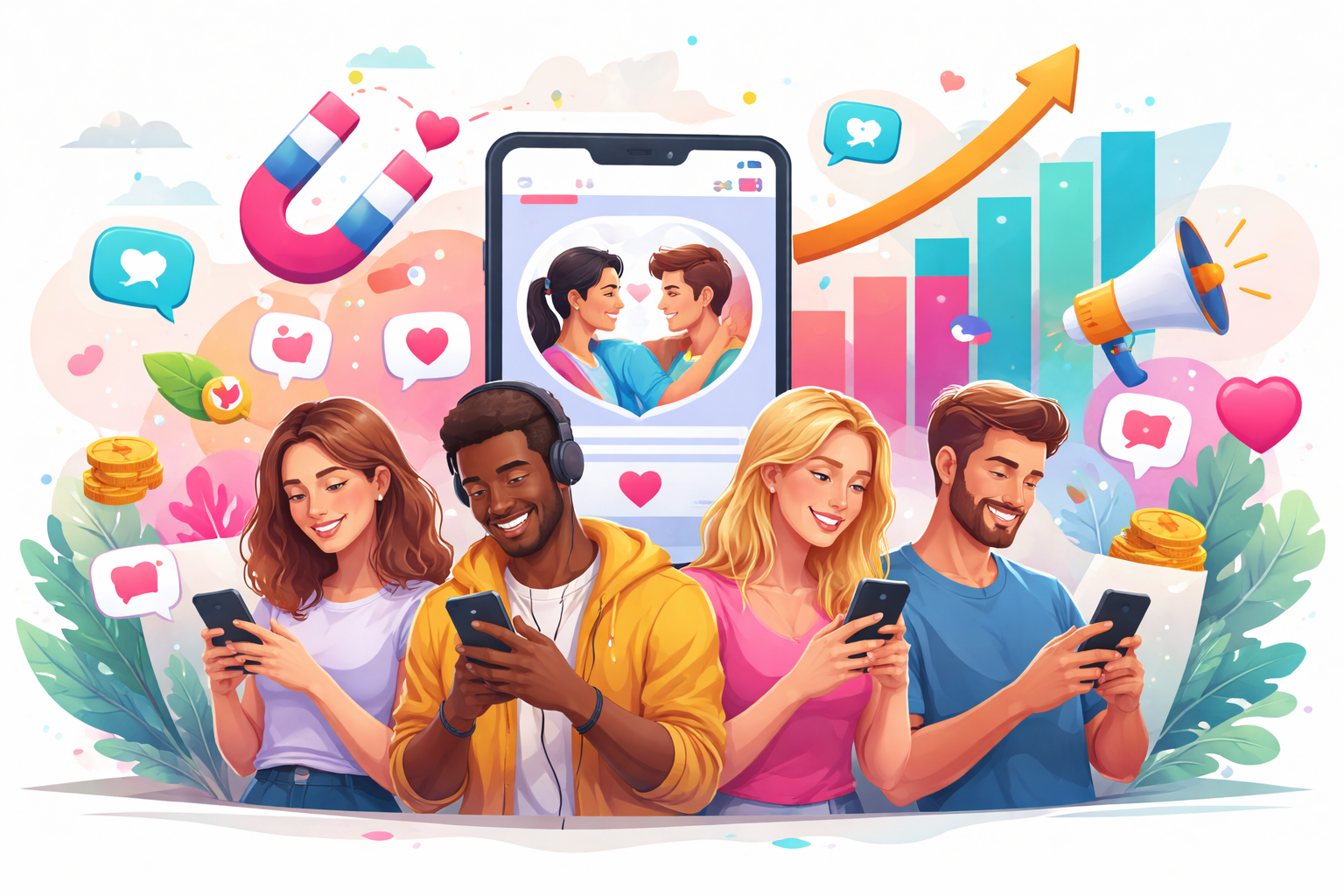
This guide is for dating app founders, marketers, and product managers seeking a sustainable dating app marketing strategy for 2026. It covers user acquisition, retention, branding, and future trends for dating apps operating on tight budgets. Effective marketing for a dating app requires a mix of high-volume user acquisition and building trust through relatable content. If you’re looking to grow your dating app in a competitive landscape, this article provides a step-by-step playbook to acquire and retain users without burning cash on vanity metrics.
The dating app market has transformed dramatically since 2020. The industry is experiencing significant shifts as user preferences evolve, with a growing demand for apps that prioritize user engagement and offer unique features. Global revenue reached approximately $11.61 billion in 2025 and continues climbing, with smartphone penetration exceeding 90% in key markets like the US and UK. Yet beneath these impressive numbers lies a structural shift that changes everything for marketers.
Major players like Tinder, Bumble, and Hinge experienced double-digit revenue declines in 2025. Tinder alone saw a 9% drop in monthly active users. Meanwhile, niche disruptors like PURE achieved 95% user growth and $100 million in revenue by focusing on balanced communities rather than mass appeal. It’s worth noting that success for new dating apps often lies in serving underserved demographics to compete with established giants like Tinder. The message is clear: the old playbook no longer works.
To compete, it’s essential to focus on building a loyal and engaged app’s user base as the foundation for sustainable growth. A modern dating app marketing strategy for 2026 must include App Store Optimization (ASO), lean paid user acquisition (UA) on Meta and Google, influencer collaborations, and viral loops—all executed under tight budgets. App Store Optimization (ASO) is crucial for enhancing visibility and driving downloads in the dating app market.
Know Your Market and Users in 2026
The 2026 dating app scene is growing but saturated. Casual dating still represents 34.7% of user volume, but serious-relationship apps are growing fastest at 6.4% CAGR. Swipe fatigue has pushed users toward quality over quantity, and CPIs have climbed significantly since 2022-2023.
Understanding your audience is crucial for crafting effective marketing strategies for dating apps. Defining a sharp target audience matters more than ever. Forget “everyone 18-45.” Successful apps in 2026 focus on segments like:
- Gen Z users on Berlin campuses
- Divorced professionals 35-50 in US suburbs
- LGBTQ+ communities in LATAM
This sharp positioning enables messaging that resonates and creatives that convert.
Niche positioning examples thriving in 2026 include:
- Apps for sober dating
- Fitness-only communities
- Language-exchange-plus-dating hybrids
Each serves an underserved need with focused marketing tools and messaging.
Key variables to segment by:
- Age cohort (Gen Z vs millennials)
- Location type (college campuses, urban, suburban)
- Relationship intent (casual vs long term relationship)
- Platform preference (iOS vs Android)
Early cohort quality trumps raw install volume. Target 35-45% D1 retention as your benchmark. Poor activation metrics amplify high CPIs and kill budgets fast—attracting users who are not genuinely interested in your app wastes money that could fuel sustainable growth.
With a clear understanding of your target audience, the next step is ensuring your product is ready to deliver a seamless onboarding experience.
Foundation First: Product Readiness and Onboarding
Launching aggressive marketing in 2026 without a solid onboarding process is wasteful. High paid CPIs plus low retention quickly depletes your budget before you learn anything useful. Product readiness and a frictionless onboarding experience are the foundation for sustainable growth.
Onboarding Essentials
A launch-ready dating app experience includes:
- Friction-light onboarding
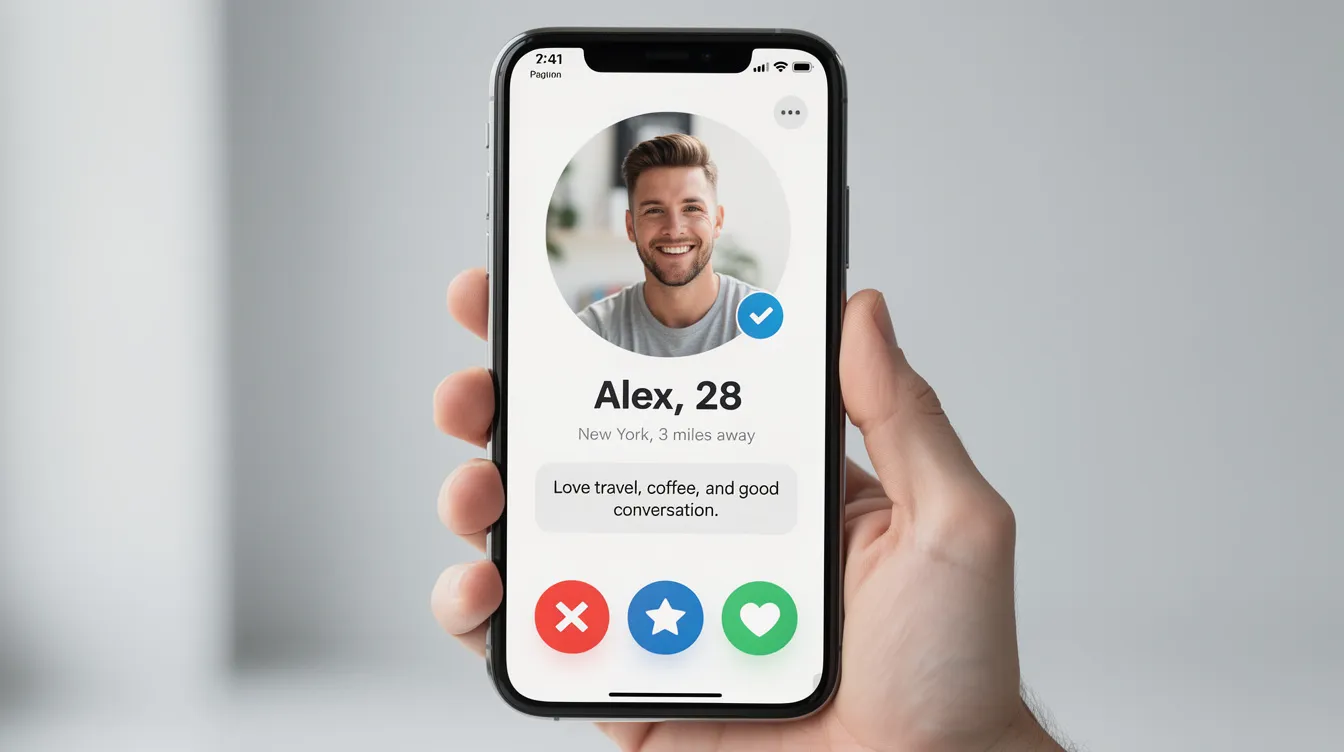
- Identity verification options
- Clear safety messaging
- Fast first-match time
- AI-powered conversation tools and prompts that help users start engaging chats quickly
Aim for users to receive their first match within 5 minutes of install. This single metric dramatically impacts whether new users stick around or delete the app. Liquidity percentage measures the percentage of users who receive a match within 24 hours of joining a dating app, making it a key indicator of onboarding effectiveness and user experience.
Localization
Localized profiles and UX are essential for early test markets. Use:
- Local languages
- City-specific prompts
- Regionally relevant photos
Optimizing user experience for different markets ensures that a Berlin user expects different examples than someone in Austin, increasing engagement and retention.
Analytics and Tracking
Use analytics tools like Firebase, Amplitude, or Mixpanel to track activation metrics:
- Profile completion percentage
- First swipe time
- First match
- First message
- 7/30-day retention
Technical Readiness Checklist
Before turning on serious user acquisition, ensure you have:
- A crash-free build
- Working deep links
- An attribution SDK like AppsFlyer or Adjust properly configured
- Push notification setup tested across devices
Skipping this checklist means flying blind when you need data most.
With your product and onboarding optimized, the next step is to build a strong brand that stands out in a crowded market.
Building a Strong Brand in a Crowded Market
In the crowded dating app market, building a strong brand is not just an advantage—it’s essential for long-term success. With countless online dating apps vying for attention, your brand needs to stand out and connect with your target audience on a deeper level. A distinctive brand identity helps users remember your app and trust it over competitors, which is crucial for user acquisition and retention.
Start by defining a unique value proposition that clearly communicates what sets your dating app apart in the dating app industry. Whether it’s a focus on safety, inclusivity, or a specific community, your brand should reflect the needs and aspirations of your audience. Take inspiration from Tinder’s marketing strategy: the simple act of “swiping right” became synonymous with modern dating, turning a product feature into a cultural touchstone and cementing Tinder’s place in the dating app scene.
Leverage social media campaigns to amplify your brand voice and reach new users. Consistent, creative content across platforms like Instagram, TikTok, and Twitter can help you build a loyal following and keep your app top-of-mind. Encourage user generated content by inviting users to share their stories, experiences, and even memes related to your app. This not only boosts user satisfaction but also fosters a sense of community, making users feel like they’re part of something bigger.
Ultimately, a strong brand is built through a combination of clear messaging, authentic engagement, and a commitment to delivering value. By focusing on these elements, you can create a brand that resonates, drives user acquisition, and positions your app as a leader in the ever-evolving app market.
With your brand identity established, it’s time to develop a content strategy that leverages storytelling, user generated content, and community building.
Content Strategy: Storytelling, UGC, and Community Building
A winning content strategy is at the heart of every successful dating app. In 2026, storytelling is more important than ever, especially for connecting with Gen Z users who crave authenticity and real-life experiences.
Storytelling
Sharing genuine stories—whether it’s a first date gone right, a funny mishap, or a long-term relationship that started on your app—helps humanize your platform and build trust with your audience.
User Generated Content (UGC)
User generated content (UGC) is a powerful marketing tool in the dating app world. When users share their own success stories, screenshots of memorable conversations, or creative profile prompts, it not only provides social proof but also encourages other users to engage and participate. For example, Bumble’s approach to content marketing centers on highlighting real users and their journeys, creating a sense of optimism and possibility that appeals to its target audience.
Influencer Marketing
Influencer marketing can further amplify your content strategy. Partnering with creators who align with your brand values allows you to reach new audiences and showcase your app in authentic, relatable ways. Influencers can share their own experiences, host Q&A sessions, or even create challenges that encourage user participation.
Community Building
Building a community goes beyond just acquiring users—it’s about keeping them engaged and invested in your app. Foster interaction through in-app features, social media groups, and regular spotlights on user stories. By prioritizing storytelling, UGC, and community building, you’ll create a vibrant ecosystem where users feel connected, valued, and eager to share their own success stories—fueling ongoing growth and engagement.
A robust content strategy sets the stage for maximizing organic growth through App Store Optimization.
ASO for Dating Apps in 2026: Your Always-On UA Channel
App Store Optimization (ASO) is crucial for enhancing visibility and driving downloads in the dating app market. With ad prices rising on Meta and Google, strong ASO can deliver 20-40% of installs organically—traffic you don’t pay for repeatedly.
Keyword research for dating apps should mix:
- High-volume generics (“dating app,” “meet singles,” “Tinder alternative”)
- Intent-rich phrases (“serious relationships,” “LGBTQ+ dating Berlin 2026”)
Tools like AppTweak or Sensor Tower help identify search volume and competition, and you should map findings against a diversified mix of dating app marketing channels such as SEO, social, and affiliates.
Localize ASO for priority markets with separate keyword sets and localized screenshots. English US/UK differs from German or Spanish for Spain versus Mexico. Each market deserves dedicated optimization.
For creative assets, use real-looking, diverse couples and friends in screenshots. Keep headlines to 3-5 words. Dedicate one frame specifically to safety and verification—a key 2024-2026 user concern that encourages users to trust your dating platform.
Run A/B tests of icons and screenshots via Google Play store listing experiments. Monitor tap-through rate (CTR) and install conversion rate. Small improvements here compound into significant organic growth over months, especially when paired with a robust white-label publishing and branding service to get high-quality assets into the app stores quickly.
With your organic channels optimized, the next step is to layer in paid user acquisition for scalable growth.
Paid User Acquisition: Lean Facebook/Instagram and Google Ads Strategy
The 2026 UA reality includes higher CPMs, privacy constraints like iOS SKAN limiting tracking, and fierce competition. A tightly targeted, creative-led marketing strategy on Meta and Google is mandatory for efficiency.
Structure initial Meta (Facebook/Instagram) campaigns for:
- 1-2 countries or 3-5 cities
- Broad age but narrow interests—nightlife, dating shows, local universities
Start with CBO or Advantage+ campaigns optimized for installs or registrations.
Ad creatives that work in 2026 include:
- Vertical Reels/TikToks with chat screenshots
- “Day in the life of a single in [City]” videos
- Humor-driven memes about ghosting or swiping left
- User generated content style testimonials
For Google App Campaigns (UAC):
- Set modest initial daily budgets
- Track iOS vs Android performance separately
- Use search keywords like “best dating app 2026,” “Tinder alternative,” or niche terms aligned to your app’s unique selling proposition
- Supplement this with a broad set of online and offline methods to promote your dating app
Simple funnel math matters: track from impression → click → install → registration → first message. If your LTV is $30 and you need 3x return, your acceptable CPA for a registered user is $10. Back-calculate your CPI targets accordingly—this discipline separates profitable apps from those that burn cash.
Once your paid channels are running efficiently, you can amplify results further with influencer collaborations.
Influencer Collaborations: Low-Budget, High-Trust UA
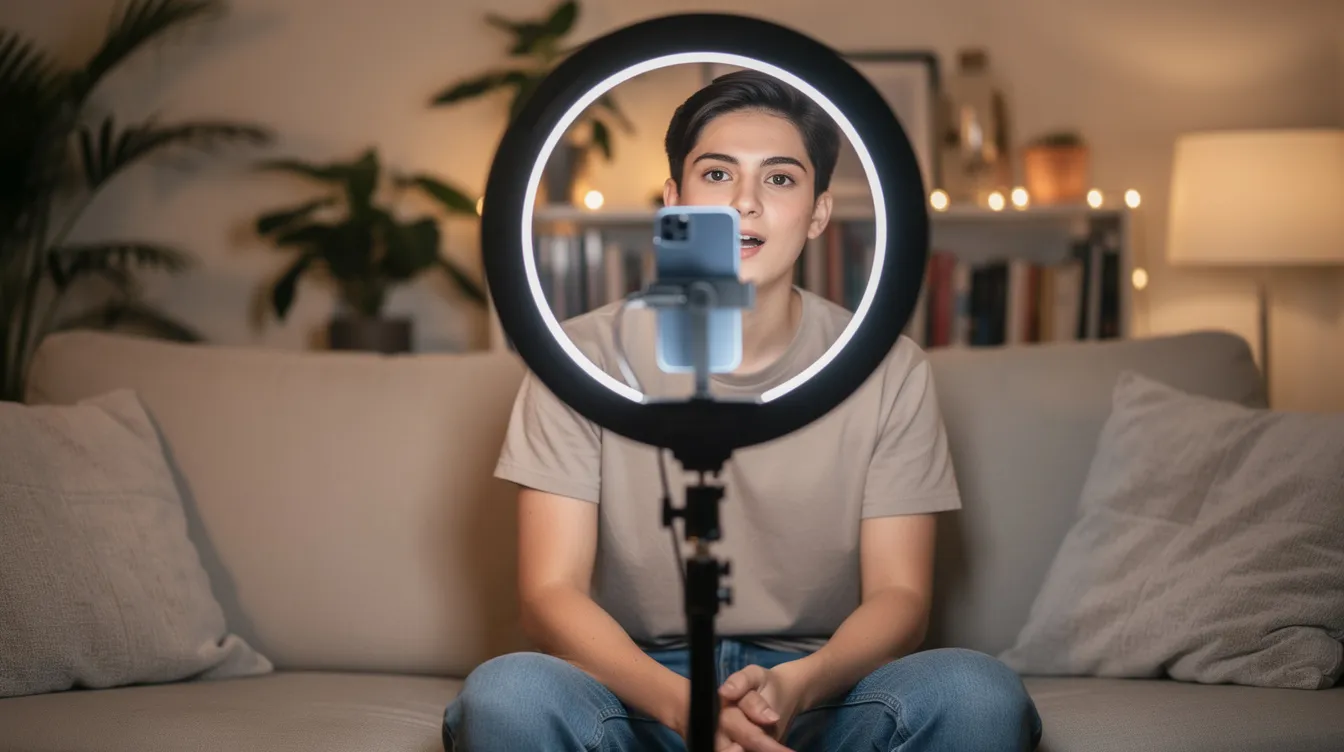
Influencer marketing works exceptionally well for dating apps because real users distrust generic advertising but still trust niche creators. It has also emerged as a powerful tool for engaging Gen Z users in the dating app industry. Young people on TikTok, Instagram, and YouTube respond to authentic recommendations from creators they follow.
Focus on micro and mid-tier influencers (10K-200K followers) in specific verticals:
- Campus/student life creators
- Relationship coaches
- LGBTQ+ creators
- Lifestyle vloggers in key cities
These creators have engaged audiences and affordable rates.
Content formats that convert include:
- “Rating my dating app experiences in 2026”
- “I let my followers control my dates for 24 hours”
- Storytelling about bad and good matches with your app as the solution
Success stories resonate because they feel genuine. Collaborating with influencers who share authentic experiences about online dating can enhance your brand visibility and foster a sense of community.
Budget-friendly compensation structures include:
- Affiliate links with CPI/CPA payout
- Fixed small fees plus performance bonus
- Co-creating exclusive in-app perks like special badges or profile prompts
You can leverage influencers without massive upfront costs. Notably, 89% of marketers say the return on investment from influencer marketing is comparable to, or even better than, other marketing channels, and influencer marketing is generating 11 times higher ROI compared to traditional approaches to digital marketing.
When choosing influencers, ensure that partnerships align with your app’s values so the messaging feels genuine and relatable.
For tracking, use:
- Unique promo codes
- Deep links with UTM parameters
- Simple dashboards comparing influencer cohorts by retention and paid conversion
This data shows which creators drive users engaged long-term versus those who attract curious but uncommitted downloads. Influencer marketing can significantly boost user engagement, which is vital for retaining users and driving overall app success.
With influencer partnerships in place, you can further accelerate growth by engineering viral loops and referral mechanics.
Viral Loops and Referral Mechanics: Growth Without a Big Media Budget
Small apps can engineer word of mouth instead of waiting for organic virality. The dating app industry in 2026 rewards those who build sharing into the product.
Three concrete viral loop mechanics that work:
- Referral program rewards for inviting friends (boosts, extra super-likes, temporary premium features)
- Duo-signup flows for friends entering the app together
- Shareable “dating stats 2026” recap cards for social media
Examples inspired by real social media campaigns include end-of-year “dating wrapped” summaries similar to Spotify’s approach, or weekly “top profile prompts” users can screenshot and share on Instagram Stories and TikTok. These connect your app’s user base to broader social networks.
Design loops to avoid spam:
- Cap invites
- Ensure clear value to both inviter and invited friend
- Maintain transparent messaging about data and privacy
Post-2023 regulation changes make users acutely aware of how their data is used.
Measure virality simply:
- Track invites per user
- Install-per-invite ratio
- Estimate K-factor (aim for 0.2-0.4 in early 2026 as realistic for dating)
Combined with paid UA and ASO, even modest virality compounds into meaningful growth.
Once you have viral mechanics in place, focus on building local critical mass through targeted launch strategies.
Local Launch Playbook: Campuses, Cities, and Communities
Local critical mass is essential—no one likes empty feeds or matches from 200 km away. Focus on 1-3 launch geos rather than global release.
A campus launch strategy for 2026 includes:
- Partnering with student societies
- Sponsoring small events
- Giving early access or exclusive badges to the first 500 users at a specific university
- Using QR codes on campus posters
College campuses offer concentrated target audiences ideal for building community density.
For city-level seeding:
- Collaborate with popular bars, coworking spaces, or event organizers like singles nights or language exchanges
- Integrate app-based perks like drink discounts for verified users
This creates real-world touchpoints that strengthen the online dating experience.
Example rollout timeline for a new city:
- Step 1 (Weeks 1-2): Pre-launch waitlist building
- Step 2 (Weeks 3-4): Soft launch with influencers and micro-events
- Step 3 (Week 5+): Broader paid ads and referral pushes once active user threshold is reached
Localized content—dating memes in local language, city-specific push notifications, and localized influencer content—differentiates you from global competitors and keeps users engaged with relevant messaging.
After establishing a local presence, it’s crucial to focus on retaining users and maximizing monetization.
Retention, Re-Engagement, and Monetization
Dating apps face unique churn patterns: users leave when they succeed (find a partner) and when they fail (no matches). Retention campaigns must be smart and respectful.
Retention Campaigns
Basic lifecycle messaging includes:
- Welcome sequences
- Post-first-match prompts
- Nudges after inactivity (7/14/30 days)
- Seasonal campaigns like Valentine’s Day or “cuffing season”
These touchpoints maintain user satisfaction without feeling intrusive.
Re-Engagement Tactics
Re-engagement tactics that work:
- Personalized push notifications based on behavior
- “Come back and see who liked you” messages
- Price testing for reactivating lapsed premium users
- Behavior-triggered emails (no matches vs. lots of likes but no messages)
User Segmentation
Segment users as:
- Explorers
- Serious daters
- Casual swipers
Adapt both in-app experience and marketing to each segment using cohort-level revenue and retention analysis available in 2026 tools, and apply proven customer retention and LTV growth strategies to increase repeat engagement and revenue.
Monetization Models
Freemium models, keeping core matching free while upselling premium features, can boost virality for dating apps. Freemium monetization examples include:
- Limited daily swipes
- Paid boosts
- “See who liked you” premium
- City-specific premium features
All of these reflect common dating app revenue models and profitability tactics. Each monetization layer should connect back to UA efficiency and LTV calculations—ultimately what determines whether you can sustainably market the app.
With retention and monetization strategies in place, it’s essential to measure your progress and iterate for continuous improvement.
Measuring Success and Iterating Your Strategy
A 2026 dating app marketing strategy must be data-driven. Gut feeling isn’t enough when CPIs are high and competition is brutal in the dating world.
Core KPIs to track:
- CPI by channel
- Registration rate
- First match/message rate
- D1/D7/D30 retention
- Virality and referral metrics
- Cost per premium trial
- LTV by cohort and market
Build a simple testing roadmap: one major change per channel per week. Test a new creative batch for Meta, updated ASO screenshots, or new influencer format. Track impact with clear hypotheses.
Example quarterly planning:
- Q2 2026: ASO optimization, Meta Reels testing, and influencer experiments
- Q3: Expand into 1-2 new cities with local events and referral boosts
This structured approach helps marketers successfully market without scattered efforts.
The mindset required: continuous experimentation, fast iteration, and reallocating budget quickly from underperforming channels to proven winners. The rest—vanity metrics, hookup culture debates, comparisons to Tinder’s marketing or tinder marketing strategy—matters less than what your data tells you.
With a data-driven approach, you’ll be prepared to adapt to future trends and stay ahead of the competition.
Future Trends in Dating App Marketing
Staying ahead in the dating app market means anticipating and adapting to emerging trends. As we look to the future, several key shifts are shaping the way online dating apps attract and engage users.
Artificial intelligence (AI) is set to revolutionize the online dating experience. By powering smarter matchmaking algorithms, AI can help users find more compatible matches, personalize recommendations, and even detect harmful behavior—enhancing both user satisfaction and safety when you implement a dedicated AI companion system for dating platforms. Apps that integrate AI-driven features will be better positioned to meet the evolving expectations of Gen Z users and other tech-savvy audiences.
Social media campaigns will continue to play a pivotal role in user acquisition and engagement. Platforms like Instagram and TikTok offer unparalleled reach, especially among younger audiences who are driving growth in the dating app industry. Creative, shareable content—such as viral challenges, behind-the-scenes looks, and interactive polls—can generate buzz and attract new users to your app.
The rise of Gen Z users is also influencing the dating experience itself. This generation values authenticity, inclusivity, and low-pressure interactions, leading to a shift away from traditional hookup culture toward more meaningful connections. Marketers must be acutely aware of these preferences and tailor their messaging, features, and community guidelines accordingly.
To successfully market your dating app in this dynamic environment, it’s essential to stay informed about industry trends, experiment with new platforms and technologies, and listen closely to your target audience. By embracing innovation and remaining flexible, you’ll ensure your app remains relevant and competitive in the ever-changing app market.
With an eye on the future, let’s summarize the key pillars for building a sustainable growth engine.
Conclusion: Building a Sustainable Dating App Growth Engine in 2026
The core pillars discussed form your foundation: sharp audience targeting, product readiness, App Store Optimization (ASO), lean Meta/Google UA, influencer collaborations, viral loops, local market focus, and retention. Each element connects to create a growth engine rather than isolated tactics. In 2026, successful dating app marketing should focus on community density and hyper-local targeting to build vibrant, engaged user bases, especially if you launch your own white-label dating site and apps that you fully control across web and mobile.
Success in 2026 doesn’t require Super Bowl-level budgets. It requires disciplined testing of ASO, paid ads, influencer content marketing, and in-product referral mechanics that compound over time. Visual appeal—such as compelling screenshots and a strong demo video—will be crucial for influencing conversion rates in a crowded market. Tinder’s marketing is a prime example: their intuitive, swipe-based interface mimics a mobile game, creating a core gameplay loop that encourages frequent logins and high engagement. Tinder leverages word-of-mouth, referral programs, and gamification to build community and brand recognition. Meanwhile, apps like Bumble differentiate themselves by emphasizing female empowerment, building brand identity and trust through a focus on safety and empowering women in the online dating space.
Start small but structured: pick one city or niche, set clear KPIs for 60-90 days, and run coordinated experiments across ASO, paid, and influencer channels, built on a solid choice of cross-platform dating software for iOS, Android, and web. Talk to your other users through community features. Creating high-quality, engaging content that addresses the emotional aspects of dating is also a key tactic for standing out. The apps winning 2027 and beyond will combine smart UA strategies with genuinely safer, more inclusive products and strong local community presence—creating a fun dating experience worth telling friends about, whether you build from scratch or leverage mobile app rental services for dating projects as a faster go-to-market option.
And if you need a partner to turn strategy into a working product faster, the Dating Pro team is ready to help. With practical experience in launching dating platforms and custom development solutions, Dating Pro can help reduce costs, speed up implementation, and support your path from idea to sustainable growth.